EU Machinery Regulation 2023/1230: Digital Instructions and Machine Safety Training for 2027

For machinery manufacturers, OEMs, importers and other organisations placing machinery on the European Union market, the transition goes beyond updating technical documentation. The new Regulation addresses digital instructions, cybersecurity, software, artificial intelligence, autonomous machinery and substantial modifications.
One practical question is becoming increasingly important:
Are your machine instructions, safety procedures and workforce training ready for the 2027 Machinery Regulation?
Digital work instructions and VR training can support that preparation. They do not replace conformity assessment or make machinery compliant by themselves. Their role is to help organisations deliver approved information and prepare people to execute machine-specific procedures safely and consistently.
Note: Regulation (EU) 2023/1230 becomes applicable on 20 January 2027, replacing the Machinery Directive 2006/42/EC.
What is EU Machinery Regulation 2023/1230?
The EU Machinery Regulation 2023/1230 is the European Union's updated legal framework for machinery safety.
It replaces Directive 2006/42/EC and applies from 20 January 2027. It covers machinery and related products within its scope, including safety components, lifting accessories, partly completed machinery and other defined product categories.
The Regulation also updates the framework for technologies that have become increasingly important in industrial environments, including connected machinery, software, cybersecurity, artificial intelligence and autonomous functions. For manufacturers, the transition means reviewing more than CE marking. Key areas include:
- Risk assessment and risk reduction
- Essential health and safety requirements
- Technical documentation
- Instructions for use
- Conformity assessment
- Software and safety-related functions
- Cybersecurity risks affecting machinery safety
- Changes and modifications to machinery
- Operator and maintenance information
The official Regulation (EU) 2023/1230 on EUR-Lex should remain the primary reference for determining applicable legal requirements.
What Changes for Digital Instructions?
One of the most relevant changes for manufacturers is the Regulation's recognition of digital instructions for use under specified conditions.
This creates an opportunity to move beyond paper manuals and deliver approved machine information through controlled digital channels.
However, digital does not simply mean uploading a PDF.
The Regulation establishes requirements around access to digital instructions, including the ability for users to access, download and save them. It also provides for paper instructions or safety information in circumstances specified by the Regulation.
Digital instructions therefore need to be designed around usability, accessibility and long-term availability.
For manufacturers, this creates several documentation questions:
- Can users easily access the applicable instructions?
- Can they download and save the information?
- Can required information be printed?
- Is the correct version available for the relevant machine?
- How are updates controlled?
- How are language versions managed?
- Can instructions remain available for the required period?
The Regulation also introduces long-term availability requirements. Digital instructions must remain accessible for the expected lifetime of the machinery and, under the applicable conditions, for at least 10 years from the relevant placing-on-the-market or putting-into-service date.
This makes digital documentation a content-management and governance issue, not simply a format change.
Why Machine-Specific Digital Work Instructions Matter
Industrial machinery rarely consists of a single component or procedure.
A complex robotic cell, packaging line or automated production system can include motors, sensors, drives, guarding, safety devices, controllers and software.
The information required to operate or maintain that equipment may be distributed across manuals, SOPs, drawings, maintenance documents and training material.
Digital work instructions can bring approved information closer to the task.
For example, a maintenance workflow could guide a technician through:
Machine identification → hazard review → isolation procedure → component identification → maintenance steps → verification → return to service
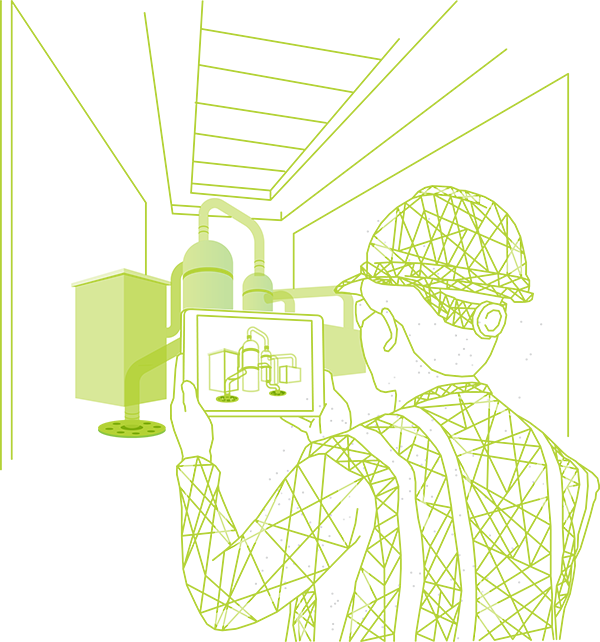
Where appropriate, 3D engineering information can add spatial context. A technician could identify the location of a motor, valve, sensor or other component before beginning the task.
This creates a useful connection between technical documentation and point-of-work execution. It does not replace the manufacturer's approved instructions. It provides a more accessible way to deliver them.
Cybersecurity, AI and Autonomous Machinery Add New Training Considerations
The 2027 Regulation also reflects the increasing role of digital technologies in machinery.
For connected or software-dependent machinery, cybersecurity can become relevant to machinery safety. Unauthorised access, manipulation of software or interference with safety-related functions can create risks that traditional mechanical safety assessments may not fully address.
Artificial intelligence and autonomous functions can also introduce different operating behaviours and foreseeable risks. Manufacturers should therefore ask:
What happens when software, connectivity or autonomous behaviour changes the way the machine operates or performs safety-related functions?
The answer can affect risk assessment, technical documentation, instructions and workforce preparation. Training may need to cover areas such as:
- Safe operating boundaries
- Software-related warnings
- Cybersecurity procedures
- Remote-access controls
- Emergency response
- Human intervention
- Changes affecting safety functions
The specific obligations depend on the machinery and its characteristics. These technologies should therefore be assessed against the Regulation rather than treated as generic compliance categories.
What About Substantial Modifications?
Machinery can change after it is first placed on the market. Software updates, component replacements, control-system changes and other modifications can affect safety or the machine's intended function.
The Regulation makes the treatment of substantial modifications an important consideration for organisations modifying machinery. Manufacturers and operators should establish a controlled change-management process. Before implementing a significant modification, teams should consider:
- What has changed?
- Does the change affect safety or intended function?
- Does the risk assessment need updating?
- Does technical documentation need revision?
- Are conformity assessment obligations affected?
- Do operating instructions or training need to change?
This connects engineering change management directly with documentation and workforce readiness.
Where Does VR Machine Safety Training Fit?
Digital instructions help workers access and execute approved procedures. VR training helps workers understand, practise and rehearse scenarios before working on live machinery.
For example, an OEM could create a VR simulation of an automated robotic cell.
Workers could practise:
- Identifying machine hazards
- Understanding guarded areas
- Locating emergency-stop devices
- Recognising machine movements
- Following operating sequences
- Responding to simulated abnormal conditions
- Familiarising themselves with maintenance areas
The same model can support training for CNC machines, packaging equipment, automated material handling and complex production systems. VR does not replace practical qualification, competent supervision or required hands-on training.
Its value is providing a repeatable, controlled environment for machine familiarisation and scenario-based practice.
A Practical 2027 Readiness Checklist
Manufacturers preparing for the EU Machinery Regulation should review five connected areas.
1. Regulatory readiness
Identify machinery within scope and determine the organisation's applicable responsibilities.
2. Documentation readiness
Review risk assessments, technical documentation, instructions for use and revision-control processes.
3. Digital-instruction readiness
Check digital access, downloading, saving, printing, language management, version control and long-term availability.
4. Technology readiness
Review software-dependent safety functions, cybersecurity risks, AI or autonomous functions and significant machinery modifications.
5. Workforce readiness
Map critical machine tasks to approved procedures and training. Use immersive simulation where repeated machine familiarisation or scenario practice provides value.
The objective should not be to digitise everything. It should be to ensure that the right information reaches the right person for the right machine and task.
How Exxar Supports Digital Work Instructions and Machine Safety Training
Exxar helps industrial organisations connect 3D engineering information, operating procedures and workforce training.
Its AI Work Instructions solution is designed to convert legacy SOPs into real-time spatial guidance using 3D CAD information and approved procedures. For workforce preparation, Exxar VR Training provides immersive environments for industrial training and scenario-based practice.
Together, these capabilities support two connected stages of the machine lifecycle:
Train before the task. Guide during the task.
For machinery manufacturers preparing for January 2027, this can provide a practical digital layer around machine information and workforce readiness.
Exxar does not replace conformity assessment, technical documentation or the manufacturer's legal responsibilities. It helps organisations make approved industrial information more accessible and training more immersive.
Explore Exxar's AI Work Instructions and VR Training solutions for industrial workforce readiness.
Conclusion
The EU Machinery Regulation 2023/1230 changes how manufacturers need to think about machinery safety information before 20 January 2027.
The transition is not simply about replacing one directive with another.
It is about connecting compliance, technical documentation, digital instructions and workforce readiness.
Digital instructions can make approved information more accessible. Digital work instructions can bring that information closer to the task. VR training can help workers practise machine familiarisation and safety scenarios before supervised work.
The regulatory obligation remains the starting point.
The opportunity is to make the information and training behind that obligation more accessible, usable and actionable.
Frequently Asked Questions
What is EU Machinery Regulation 2023/1230?
Regulation (EU) 2023/1230 is the EU's updated legal framework for machinery safety. It becomes applicable on 20 January 2027 and replaces Directive 2006/42/EC.
Does the EU Machinery Regulation allow digital instructions?
Yes. The Regulation permits instructions for use to be provided in digital format, subject to specific requirements concerning access, availability and paper documentation.
Are digital work instructions mandatory?
No. The Regulation does not require manufacturers to purchase an AI work instruction platform. It establishes requirements for instructions for use and permits digital delivery under specified conditions.
How long must digital machinery instructions remain available?
The Regulation includes long-term availability requirements, including a minimum 10-year period in the applicable circumstances. Manufacturers should review the exact requirements for their machinery.
Does the Machinery Regulation require VR training?
No. VR is not a mandatory compliance technology. It can support machine familiarisation, safety training and scenario-based learning alongside required practical training.
Does the new Machinery Regulation address cybersecurity?
Yes. The Regulation introduces cybersecurity-related requirements relevant to machinery safety, particularly for machinery incorporating digital and connected functions.
What should manufacturers do before 20 January 2027?
Manufacturers should review machinery within scope, risk assessments, technical documentation, instructions for use, digital delivery processes, cybersecurity considerations, software changes, substantial modifications and workforce training.