ADIPEC 2026: How Digital Twins Help Validate Brownfield Modifications Before Shutdowns

Brownfield modifications are among the most demanding projects in the energy industry. Operators must introduce new equipment, modify existing systems, and coordinate contractors without compromising safety or disrupting production.
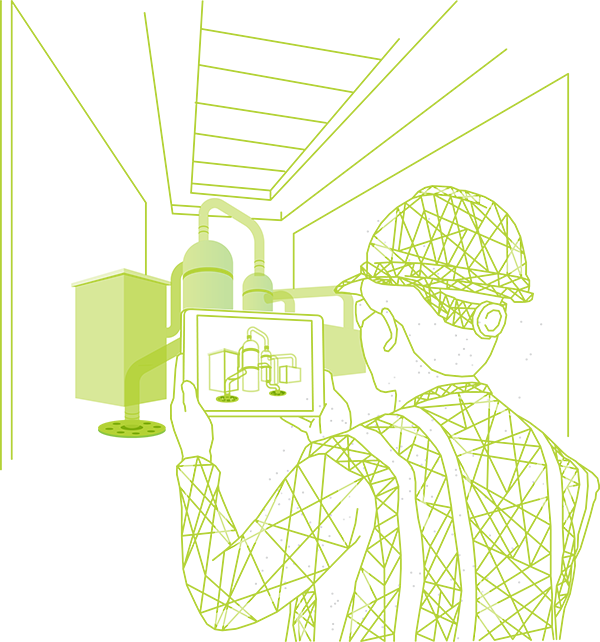
At ADIPEC 2026, taking place from 2 to 5 November in Abu Dhabi, these challenges provide a practical lens for evaluating industrial digitalization. A digital twin for brownfield oil and gas can help teams visualize proposed changes, review equipment access, and prepare workers before work begins on site.
For asset owners, the objective is not simply to create a 3D model. It is to use existing engineering data to make better project decisions, improve readiness, and reduce avoidable execution risks.
Exxar helps industrial organizations turn engineering models into immersive XR experiences for design reviews, training, and other operational workflows. These capabilities are relevant across oil refineries, LNG facilities, mining operations, and process plants.
Key takeaways
- Brownfield digital twins help teams understand existing asset conditions and evaluate proposed modifications.
- Immersive design reviews make equipment arrangements, access constraints, and spatial conflicts easier to examine.
- VR training allows personnel to rehearse procedures before performing work in operational environments.
- Reusing engineering models can connect design reviews and workforce preparation.
- The business case should focus on measurable outcomes, including rework avoidance, review efficiency, and workforce readiness.
What makes brownfield projects challenging for oil and gas operators?
Brownfield projects must work within the constraints of an existing facility. Unlike greenfield developments, they involve established infrastructure, operating equipment, legacy documentation, and interfaces that may not be fully represented in current models. Common challenges include:
- Incomplete asset information: Engineering drawings and current site conditions may not always align.
- Congested equipment layouts: New installations can affect maintenance access, operator movement, and emergency routes.
- Complex system interfaces: Modifications can influence connected equipment, piping, structures, and utilities.
- Shutdown pressure: Limited intervention windows make planning, sequencing, and coordination critical.
- Workforce readiness: Contractors and plant personnel need to understand the work scope, hazards, and procedures before execution.
These challenges create a strong case for reviewing engineering information in a shared, spatial context before committing to site work.
The cost of project uncertainty extends beyond the energy sector. McKinsey reports that large construction projects typically take 20% longer than scheduled and can run up to 80% over budget. While these figures are not specific to brownfield oil and gas projects, they highlight why earlier issue identification, engineering coordination, and execution planning matter.
How can a digital twin for brownfield oil and gas improve project readiness?
A digital twin is a digital representation of a physical asset or system. Depending on its data and integration, it can support visualization, analysis, simulation, and operational decision-making. For brownfield projects, a digital twin built from suitable engineering and site data can help teams examine proposed changes against the existing facility.
1. Review modifications in the context of the existing plant
Teams can use 3D engineering models to examine proposed equipment installations, piping changes, and spatial relationships before construction.
Immersive design reviews let engineers inspect layouts at scale instead of relying exclusively on screens and conventional model views. This can help identify issues that require further engineering assessment.
2. Assess maintenance and installation access
A modification may fit within a model but remain difficult to install, operate, or maintain in practice. Immersive reviews can help teams examine:
- Access around equipment and maintenance zones
- Potential clashes with surrounding structures and systems
- Space required for installation and removal
- Operator movement and visibility
- Proposed work areas and access routes
These reviews support earlier identification of constraints. They do not replace formal engineering checks, field verification, or safety assessments.
3. Improve coordination before shutdowns
Shutdown execution depends on coordinated engineering, maintenance, operations, and contractor activities. A shared 3D environment can help stakeholders understand the work scope, discuss spatial constraints, and resolve questions before mobilization. Teams can also use the model to communicate proposed work sequences and equipment locations.
The result is a more informed planning process, although actual schedule and cost improvements depend on project complexity, model accuracy, and how review findings are resolved.
The wider business case for digital engineering is also significant. McKinsey's analysis of construction-sector digitization estimated potential productivity gains of 14% to 15% and cost reductions of 4% to 6%. These are industry-level estimates, not guaranteed outcomes from digital twins. For energy operators, the practical priority is to identify where improved visualization, coordination, and earlier design reviews can deliver measurable project value.
What role does immersive XR play in industrial project execution?
Digital twins provide spatial context. Extended reality (XR) makes that context accessible through immersive and interactive experiences. For industrial teams, this creates two practical applications.
Immersive design reviews: Engineers and project stakeholders can explore complex equipment arrangements at full scale, review proposed changes, and discuss spatial constraints collaboratively.
VR workforce training: Personnel can practise selected procedures in a simulated environment before performing tasks in the facility. Scenarios can cover equipment familiarization, maintenance sequences, and safety-critical situations where suitable training content is available.
VR training should complement required site instruction, practical assessment, and applicable certifications. It is not an automatic replacement for hands-on training. When engineering models support both review and training, organizations can also reduce the need to recreate asset geometry for separate workflows. Reuse depends on model quality, supported formats, and the specific experience being developed.
How does Exxar support digital twin workflows across industrial assets?
Exxar transforms 3D engineering models into immersive industrial experiences that support design review, training, and other lifecycle workflows. Its capabilities are relevant to several asset-intensive sectors.
Oil refineries: Review modifications before execution
Refineries contain interconnected equipment, piping, structures, and operating systems. Immersive model reviews can help engineering and project teams examine proposed changes, understand access constraints, and prepare for planned maintenance or shutdown work.
Explore Exxar's oil refinery solutions.
LNG facilities: Improve spatial understanding and training
LNG facilities involve complex process equipment, pipework, and tightly coordinated operating procedures. XR experiences can help teams visualize layouts, review selected engineering scenarios, and practise procedures in a simulated environment.
Explore Exxar's LNG solutions.
Mining: Prepare teams for equipment and maintenance tasks
Mining operations depend on heavy equipment, maintenance coordination, and workforce readiness. Immersive training and 3D visualization can help personnel understand equipment configurations and rehearse selected tasks before field execution.
Explore Exxar's mining solutions.
Process plants: Connect engineering visualization with execution
Process plants contain interconnected systems where layout, access, and equipment interfaces matter. Immersive design reviews can help stakeholders evaluate proposed arrangements and communicate engineering intent across project teams.
Explore Exxar's process plant solutions.
Across these applications, the value comes from connecting existing engineering data to a defined operational need, rather than creating a digital experience without a clear use case.
How should operators evaluate digital twin and XR investments?
For energy and industrial leaders assessing solutions around ADIPEC 2026, the evaluation should start with a specific business problem.
Use these questions to assess potential projects:
- Is the engineering data suitable? Confirm that available CAD models, drawings, and site information are accurate enough for the intended workflow.
- Which decision or task needs improvement? Define whether the priority is design review, access assessment, workforce training, or another measurable activity.
- Can the experience fit existing workflows? Consider engineering systems, user roles, deployment requirements, and how updates will be managed.
- How will success be measured? Track relevant indicators such as review-cycle time, issues identified before site work, training completion, or task assessment results.
- Can the use case scale? Evaluate whether the approach can be reused across equipment, procedures, projects, or facilities.
A focused pilot with a defined baseline and success criteria is generally more informative than a broad digital twin initiative without clear ownership or measurable objectives.
What should energy leaders take away from ADIPEC 2026?
For operators planning brownfield modifications, the opportunity is to make engineering information more useful before work reaches the plant floor. A digital twin for brownfield oil and gas can support spatial reviews and project planning when it is built on reliable data and connected to practical workflows. XR extends this value by helping engineers collaborate around 3D models and allowing workers to practise selected procedures in immersive environments.
These applications also extend beyond oil and gas. The same principles can support design review and workforce readiness across LNG, mining, and process plants. Explore Exxar's industrial digital twin and XR capabilities to see how existing engineering models can support design reviews, immersive training, and industrial workflows.
Meet Exxar at ADIPEC 2026. Book your slot to explore industrial digital twins and XR solutions.